
Opinion | Bush Telegraph
I am a local accommodation provider. I have a direct interest in Coober Pedy’s decision to allow free camping in the middle of town. What concerns me most is how readily people count the money a free camper spends at the shops while overlooking the local business that might otherwise have sold them a site.
Consider a couple who already planned to spend two nights in Coober Pedy. They need diesel and groceries wherever they sleep. If they choose a free site over a paid one, the supermarket still makes its sale. The service station still makes its sale. The caravan park loses two nights’ income. Where, exactly, is the gain for Coober Pedy?
The usual answer is that the couple now have more money to spend in town. Of course they do. They also have more money to take with them when they leave. For a family watching the cost of a long trip, keeping that money may be the whole point of choosing a free site. Nobody should begrudge them the saving. But a dollar in a traveller’s pocket cannot be entered in the town’s books as a dollar through a local till.
And even if the couple spend every dollar they saved on dinner that night, the site fee would also have been local spending. The restaurant gains a sale and the caravan park loses one. Why should one business’s income count as a benefit to Coober Pedy while the other’s barely rates a mention?
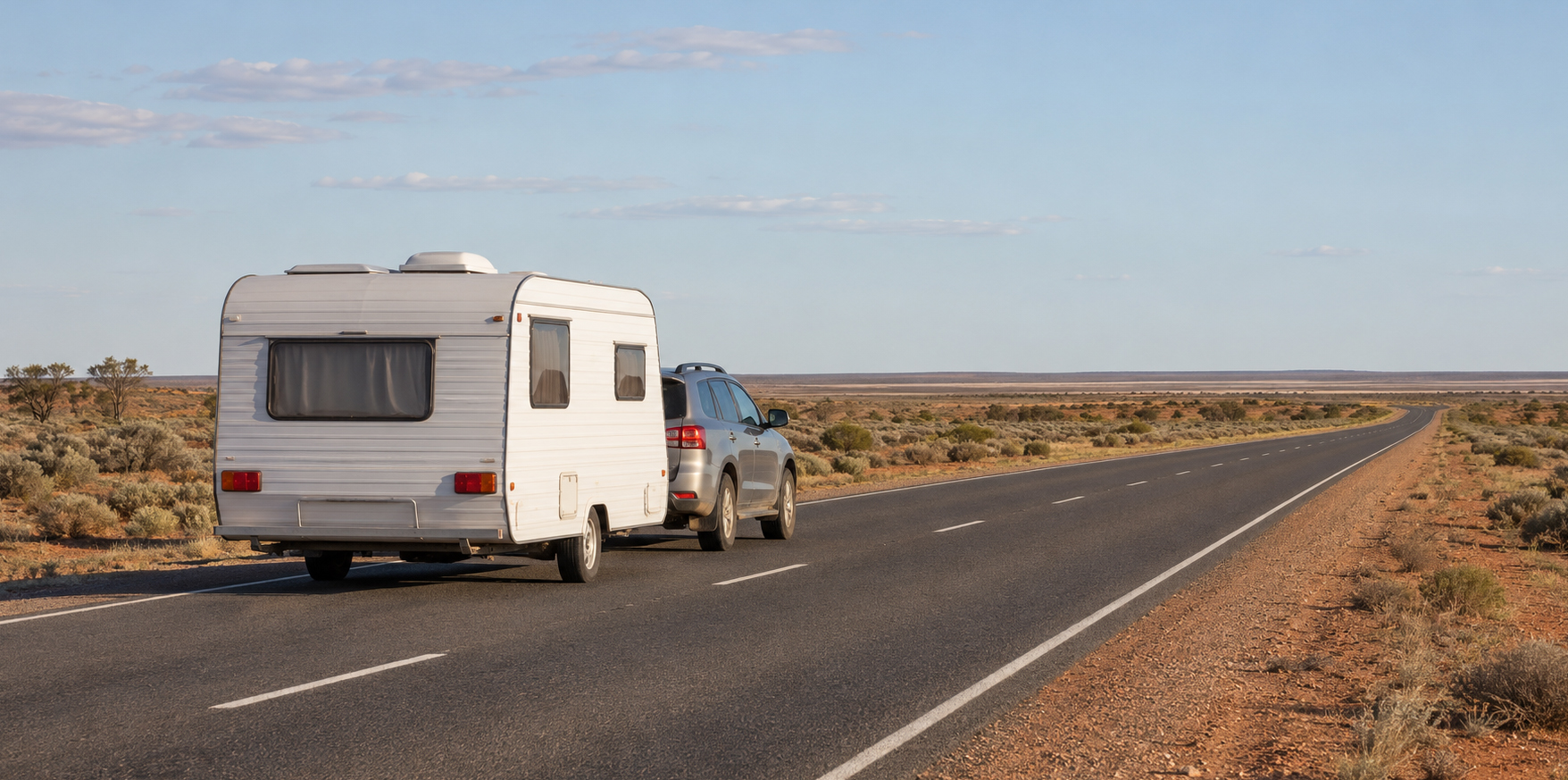
Location matters here. Old Timers Mine advertises up to 72 hours of free RV camping on private land in town, around the corner from an established caravan park. Its website directs visitors to toilets beside the shop and says voluntary donations help pay for gravel and upkeep of the park and toilets. For someone who already intends to stay in Coober Pedy, that is a free alternative within easy reach of the same shops and attractions.
There will be travellers who would have driven straight through without a free place to stay. Their purchases can bring extra money into town. The question is how often that happens compared with the visitor who would have stayed and paid. A busy free camp tells us people will take up the offer. A receipt from a local shop tells us somebody bought something. Neither tells us what that visitor would have done if the free site had been unavailable.
Local operators saw that problem coming. Objections to free RV camping in town were appearing in the local press in 2020. By November 2021, the Coober Pedy Regional Times was describing the Old Timers camping area as newly approved. Coober Pedy was under administration. The businesses whose livelihoods were at stake had no locally elected councillors to whom they could take their case.
A few months ago, several accommodation providers asked Council to revisit the decision. In a difficult trading period, they deserve a public answer. A park still has to clean the amenities, maintain the grounds and pay the insurance through the quiet months. An empty site on a Tuesday in June cannot be put back on the shelf and sold twice in July.
Council should publish the original approval and endorsed site plan, so residents can see what was decided about self-contained vehicles, the camping boundary and access to toilets. It should also tell the community how it has responded to the providers’ request and what evidence, if any, it holds about the economic effect of free camping in the town centre.
Five years on, those who say this arrangement has grown Coober Pedy’s economy should be able to show what that claim rests on. How much spending did the free camp bring here that would otherwise have gone elsewhere? How much income did local accommodation providers lose from visitors who would have stayed here anyway? Until both questions are answered, the economic benefit remains an assumption. The saving to the traveller is clear enough. Coober Pedy is entitled to ask what the town got in return.
Bush Telegraph Dispatch