
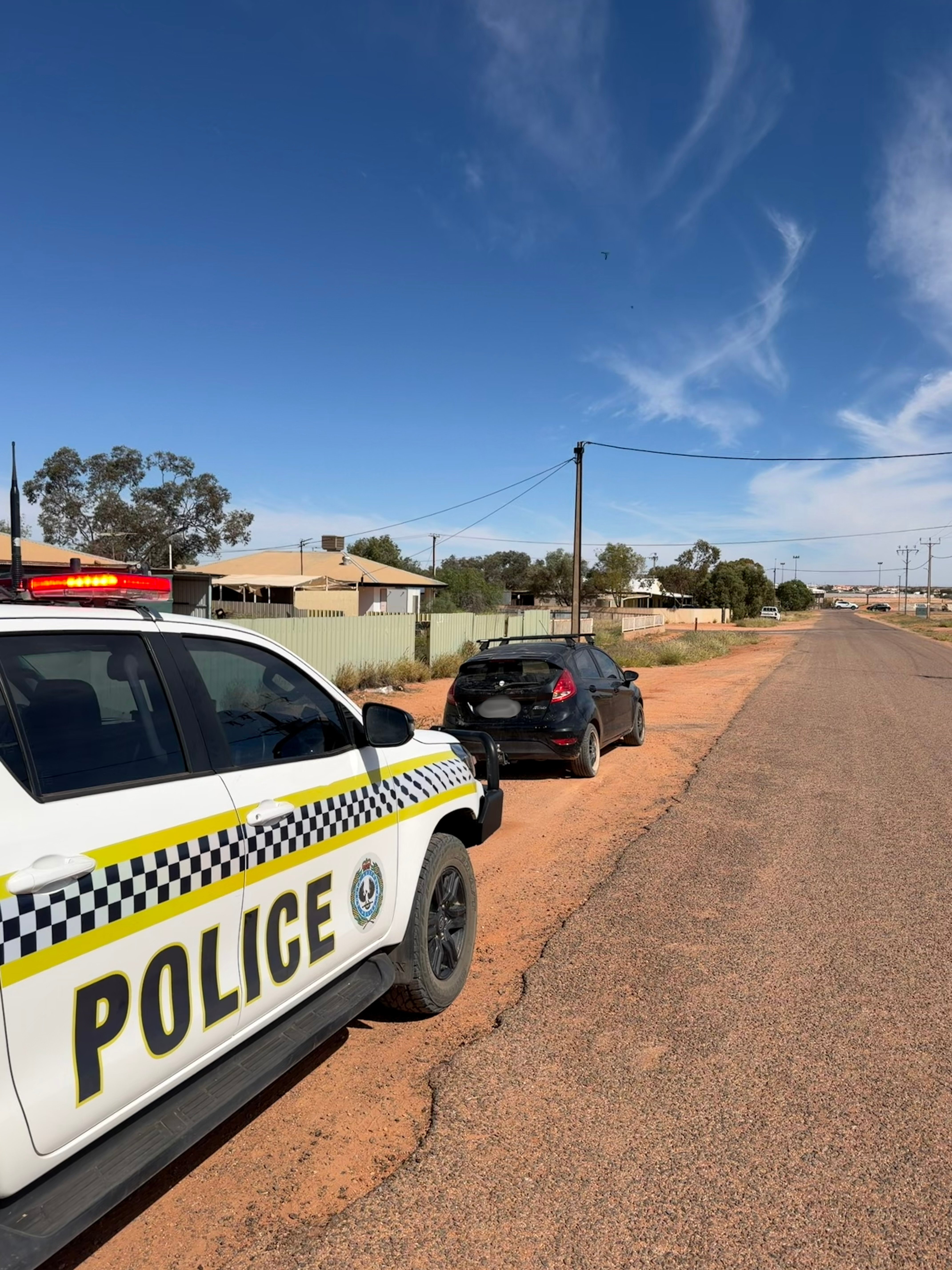
A recent industrial dispute involving staffing levels at the Coober Pedy police station has once again placed the town under an uncomfortable spotlight, with recommendations tabled for significant financial incentives aimed at attracting and retaining officers in the far north.
The recommendations reportedly include increased financial loadings, subsidised housing and utilities, additional leave provisions and other benefits designed to make remote policing more appealing.
While few locals would argue that Coober Pedy does not face policing challenges, many in the community are asking whether the broader conversation is missing the mark.
There is little doubt that the town has experienced ongoing staffing shortages within SAPOL. Residents have repeatedly voiced concerns over officer turnover, limited police visibility at times and the strain placed on those officers who do commit to serving in remote areas. Most locals would agree that frontline police deserve support and adequate resources.
However, there is also growing frustration that Coober Pedy is too often portrayed externally as some uniquely lawless outpost, when many residents feel the reality is far more nuanced.
Crime exists in Coober Pedy, as it does in every regional centre and capital city across Australia. Locals are not pretending otherwise. But many would argue that the town’s reputation is frequently exaggerated beyond what statistics or lived experience justify.
Per capita, there are larger centres and metropolitan areas facing far greater rates of violent crime, drug offending and antisocial behaviour than Coober Pedy. Yet the national narrative surrounding this town often paints a picture that residents say does not reflect daily life for the majority of people who live and work here.
That reputation comes at a cost.
Coober Pedy is one of Australia’s most unique tourism destinations. Every year thousands of visitors travel from around the world to experience its underground homes, colourful desert landscape, opal fields and quirky outback culture. Tourists routinely leave praising the friendliness of locals, the character of the town and the unforgettable experience of visiting such a remote and fascinating place.
So the question many residents are now asking is simple.
Why do tourists rave about Coober Pedy, while police officers often appear reluctant to remain here long term?
If retention is consistently proving difficult, perhaps the issue deserves deeper examination beyond simply increasing pay packets.
Is it isolation from family and support networks? Limited career pathways in remote postings? Burnout? Housing quality? Operational pressures? Organisational culture? Lack of broader regional support services? Difficult rostering arrangements?
Throwing additional money at the problem may assist temporarily, but locals are questioning whether that alone addresses the underlying reasons officers are struggling to settle and remain in the community.
There is also concern that framing the issue purely through expensive incentives risks creating division between regional communities already competing for limited policing resources.
Many residents do not want to see policing funds drained from other struggling country areas simply to patch over a deeper structural problem. Instead, there is support for exploring broader solutions that improve conditions across regional policing generally while also making Coober Pedy a genuinely attractive and sustainable posting.
Importantly, locals say they want police here. They want strong relationships between officers and community members. They want adequate staffing and safer outcomes for everyone involved.
But they also want fairness in how their town is represented publicly.
Coober Pedy is not perfect. No town is. Yet it remains a resilient, welcoming and deeply unique community that continues to attract visitors from across the globe despite the challenges of remote living.
Perhaps the real opportunity in this debate is not simply asking how much extra it costs to place officers here, but asking why one of Australia’s most fascinating towns struggles to convince them to stay.
Bush Telegraph Dispatch